

Chemotherapy

At HNCII, we offer comprehensive and patient-centric cancer care, combining advanced diagnostics, personalised treatment plans, and therapies such as chemotherapy, hormonal, biological, and targeted treatments. Our integrated oncology services span OPD consultations, IPD care, and a dedicated daycare unit, ensuring seamless support at every stage of treatment.
With expertise in managing a wide range of cancers—including solid tumours and haematological malignancies—our team is committed to delivering high-quality care while supporting patients through every step of their journey with compassion and confidence.
Quick Links
Chemotherapy
Drugs are administered orally, intravenously, or directly into specific body fluids like the brain or abdominal cavity to treat cancer by halting or slowing the growth of cancer cells.
Types
Neoadjuvant Chemotherapy
Given before surgery or radiation when tumors are too large or in challenging locations for immediate removal. It shrinks tumors to make surgery possible.
Adjuvant Chemotherapy
Administered after surgery or radiation to eliminate any remaining, unseen cancer cells and reduce the risk of cancer recurrence.
Palliative Chemotherapy
Used to alleviate cancer symptoms and improve the patient’s quality of life.
Targeted Therapy
While chemotherapy delivers drugs through the blood into the cancer cell as well other body organs, targeted therapy as the name suggest targets cancer cells directly and delivers the drug preferably into cancer cell only.
Types
Small Molecule Drug Therapy
Penetrates cancer cells, blocking proteins and growth signals.
Monoclonal Antibodies
Lab-made antibodies, akin to immune-produced ones, targeting and destroying cancer cell proteins.
Antibody Drug Conjugates (ADCs)
Antibody drug conjugates are precise medications. They use monoclonal antibodies to bind to cancer cells and a linker to deliver chemotherapy directly into these cells. When attached to the cancer target, they release a cytotoxic drug to destroy the cancer cell.
Hormone Therapy
Hormone therapy is Used to treat hormone-dependent or hormone-sensitive cancers, such as breast and ovarian cancer. It uses medications to inhibit or reduce hormone production in the body, thereby halting the growth of cancer cells.
Immunotherapy
Immunotherapy harnesses the immune system to combat cancer by aiding it in identifying and attacking cancer cells. It can be administered as a standalone treatment or in combination with other cancer therapies.
Feeling anxious about needing chemotherapy is normal. Understanding the treatment can ease worries. This article provides info to prepare you for your first session.
Who is on My Chemotherapy Team?
A highly trained medical team will work together to give you the best possible care. Your team may include these health care professionals:
- Medical Oncologist: A Specialist in treating cancer with medication. They work closely with other team members to create overall cancer treatment plan.
- Advanced providers, like oncology nurse and oncology physician assistants. These providers meet with patients and collaborate with a supervising medical oncologist.
What Happens Before Chemotherapy?
Each chemotherapy treatment plan is created to meet a patient’s unique needs.
Before starting chemotherapy, follow these steps:
- Consult with your oncologist, who reviews your records and does an exam. Tests will help plan treatment based on cancer type, size, and location, plus factors like age and health history.
- Understand your treatment schedule. Health care team explains the frequency and timing of chemotherapy, typically in repeating cycles. Cycles vary from 2 to 6 weeks, with doses adjusted based on prescribed drugs.
- Grant chemotherapy permission. Discuss risks, benefits, short-term and long-term effects with your doctor. Address concerns, then sign an informed consent form. This shows you’ve received information, decided to proceed, and understand possible outcomes and risks.
- Learn about food and medication impact. Follow guidelines on eating and drinking during chemotherapy. Inform your team about all medicines, including vitamins and supplements, to prevent interactions and side effects.
How Should I Plan for Chemotherapy Treatments?
Before starting treatment, consider these steps:
- Prepare for Side Effects: Plan for common side effects like nausea, fatigue etc with your healthcare team.
- Address Physical and Emotional Effects: Supportive care aids physical and emotional side effects. Discuss symptoms with your Doctor.
- Create a Caregiving Plan: Treatment might need extra support like transportation or household help. Seek caregiving assistance from family/friends.
- Manage Finances: Discuss financial aspects, insurance, and potential financial support. Seek aid if insurance doesn’t cover all expenses.
- Coordinate with Work: Talk to your employer about possible work adjustments due to treatment schedule and side effects.
- Understand Treatment: Chemotherapy can be given through IV, pill or injection.
- Remember, these steps can help you better cope with your treatment journey.
%20(1).jpg)
Here’s What to Expect During and After Chemotherapy?
Before Chemotherapy
- Blood sample taken
- Consult your oncologist for health check and test results
- Meet treatment provider (nurse or others)
- Vital signs checked: blood pressure, breathing, pulse, temperature
- Height and weight measured for correct chemotherapy dose
- An IV tube (catheter) may be placed in your arm or through a port (disk-like device)
- Some may need a minor surgery for a port inser on
During Chemotherapy
- Session length varies
- Continuous infusion chemotherapy given over days/weeks
- Follow your doctor’s treatment schedule and manage other meds
After Chemotherapy
- IV removed; port stays in if you have one
- Vital signs checked again
- Discuss expected side effects with oncologist or nurse
- Receive medicines and guidance for managing side effects
- Stay away from people who are sick, as chemotherapy weakens your immune system
- Hydrate for 48 hours to help drug clearance
- Learn about activities to do/avoid on treatment days
Exercise is a vital component of cancer treatment. Research demonstrates that regular exercise significantly enhances both physical and mental well-being throughout all stages of treatment. Regardless of your prior ac vity level, a tailored exercise program can help you engage in safe and effec ve physical ac vity, even if you were not ac ve before your cancer diagnosis.
What are the Benefits of Exercise for People with Cancer?
Exercise offers numerous benefits during cancer treatment, such as: :
- Enhanced Treatment Response: Exercise can improve the body's response to treatment, reducing treatment-related fatigue, maintaining fitness, strength, and lung health. It may even shorten post-surgery recovery times.
- Improved Overall Health: Exercise helps improve balance, mobility, and independence, prevents muscle loss, aids in weight management, enhances sleep quality, and lowers the risk of osteoporosis.
- Reduced Co-existing Risks: Exercise lowers the risk of developing other conditions like heart disease and diabetes, helps manage existing co-existing conditions, and reduces the risk of other cancers.
- Enhanced Mental Health: Exercise can reduce the risk of depression and anxiety. However, it’s crucial to consult your doctor before starting an exercise program during or after cancer treatment, as your pre-treatment exercise routine may need adjustment.
Safety Precautions During Exercise
especially if experiencing side effects, are crucial:
-
Adjust your exercise plan as needed based on specific side effects. For instance:
- If nerve issues affect your hands, opt for weight machines over hand weights.
- If treatment has weakened your bones, inquire about avoiding neck-straining exercises that increase fall risks.
- Begin slowly, gradually increasing activity levels.
- Choose a safe environment, especially if your immune system is compromised.
- Listen to your body; adjust exercise intensity to your energy levels.
- Stay hydrated and maintain a nutritious diet.
- Regularly see your doctor to monitor your health and ensure exercise safety.

What Exercise Routine Can You Follow After Treatment Completion?
Recovering your pre-cancer fitness level takes time. Consult your healthcare team to determine the right exercise plan for you. They may recommend self-guided exercise, a cancer rehabilitation program, or a specialized cancer exercise specialist.
Cancer rehabilitation programs may include exercises tailored to specific health and movement issues. Consult your healthcare team or a cancer rehabilitation specialist to determine if such a program would benefit you.
Fever and Infection
Chemotherapy lowers white blood cell (WBC) count. Neutrophils, a type of WBC, are key infec on fighters. Neutrophil levels influence chemo ming.
Fever (101°F or 38.3°C) or chills signal serious infec on risk. Alert your cancer specialist instantly, even at night.
Infec ons are likely when neutrophils are low, usually 7-12 days post-chemo. Bacterial infec ons o en result from weakened defenses against gut/skin bacteria rather than external source. Viruses (colds/flu) spread easily.
Prac cal Tips for Dealing with Fever and Infec on:
- If your temperature reaches 101°F (38.3°C) or higher, contact your doctor promptly.
- No fy doctor for cough, sore throat, pain, etc.
- Wash hands with soap and water o en to prevent infec on.
- Refrain from consuming raw foods like sushi, Caesar salad, or raw egg-based items un l your blood counts recover a er chemotherapy.
- Thoroughly wash fruits and vegetables before ea ng.
- Prac ce proper hand hygiene while preparing food.
- Always inform your doctor before visi ng the den st.
Flu-Like Symptoms
Around the third day following a chemotherapy treatment, some people may experience flu-like symptoms such as muscle aches and pains. If you experience these aches, you can refer to the SOS medicine chart for guidance.

Nausea
Not all chemo causes nausea. Anti-nausea medications are available; check SOS chart. Contact your doctor or nurse if your medications don’t provide enough relief or if you experience side effects from anti-nausea medication.
Tips for Nausea:
- Eat a light meal before chemo.
- Prefer home-cooked food.
- Don't skip meals; an empty stomach worsens symptoms.
- Stay hydrated with herbal teas, water, sports drinks, diluted juices.
Fatigue
Chemotherapy can cause fatigue, which might vary during treatment cycles. Aim for activity-rest balance. Keep up routine tasks for physical and emotional benefits. Fatigue will ease after chemotherapy recovery.
Practical Hints for Fatigue:
- Plan your activities, such as grocery shopping, for a time when you feel the best.
- If you have children, rest when they are napping.
- Consider exercising every day or several times a week.
- Take naps early in the day so you do not disturb your sleep pattern at night.
Hair Loss
Hair loss is a common challenge during chemotherapy, but not all drugs cause it. Talk to your doctor for specifics. Hair loss typically starts 2-3 weeks after treatment begins. Amount of hair loss varies from person to person. Some lose scalp hair, while others may loose eyelashes, eyebrows, and body hair also.
Tips for Hair Loss:
- Synthetic wigs are cost-effective and easy to manage.
- For wig shopping, buy before hair loss to match color/style. Hair grows back post-treatment in 2-3 months, possibly different in color/texture.
- Cut hair short before loss to make transition easier.
Appetite and Taste Changes
Chemotherapy can alter your sense of taste, appetite, and sensitivity to smells. Temporary appetite loss after treatment is common; it improves as you recover. Report reflux, burping, burning to your doctor. You might prefer specific foods and fluids during this time. Aim for 8-10 glasses of water daily, more with fever/diarrhea.
Healthy eating: low fat, whole grains, fruits, veggies, plant-based proteins. Start diet shifts during or after therapy, as you're comfortable.
Tips for Taste and Appetite Changes:
- Choose foods you crave.
- Opt for warm, not hot, foods.
- Avoid cooking smells.
- Stay away from unappealing odors.
- Drink 8-10 glasses of fluids daily.
Diarrhea or Constipation
Certain chemotherapy drugs might cause diarrhea. Call your doctor if you have more than three or four watery stools in a day or blood in your stool. Don’t use OTC anti-diarrhea meds without your doctor's advice. Some chemo and anti-nausea drugs can lead to constipation. Activity and diet changes might also contribute. You can refer to SOS medicine chart for guidance.
Tips for Constipation:
- Drink 8-10 glasses of fluid daily.
- Consider stool softeners like cremaffin or duphalac syrup.
- Stay active.
- Try high-fiber foods if possible.
Tips for Diarrhea:
- Consume 8-10 glasses of non-caffeinated fluids daily.
- For rectal discomfort, use lignocaine jelly for local application.
Mouth Sores
Chemotherapy can cause mouth sores and swallowing discomfort by affecting fast-dividing cells, including those in your mouth and throat. If you face painful sores or swallowing problems, contact your practitioner.
Tips for Mouth Sores:
- Brush gently thrice a day with a soft toothbrush.
- Rinse your mouth 3-4 times daily with a solution of 1 tsp baking soda, 1 tsp salt, diluted in lukewarm water.
- Check with your healthcare provider for non-irritating mouthwash options.
- Consider using Dolo gel/Lexanox ointment for temporary relief.
Neuropathy
Some experience neuropathy (nerve issues) due to chemotherapy. Symptoms include tingling, burning, numbness, or pain, especially in fingers and toes. Loss of position sense and balance can occur too. Tell your doctor about symptoms for early treatment and prevention.
Tips for Neuropathy:
- Avoid tight shoes/socks; opt for loose cotton socks and padded shoes.
- If burning, cool hands/feet in not icy water for 15 mins, twice daily.
- Massage hands/feet to enhance circulation and relieve pain temporarily.
- If you can't sense temperature in your extremities, take care with water temperature to avoid burns while bathing.
Menopause
Chemotherapy can temporarily halt periods or induce permanent menopause in women, depending on chemo type, age, and proximity to natural menopause. Menopause brings symptoms like hot flashes, mood changes, and more. Talk to your doctor if you encounter these symptoms for guidance and treatment. Periods might change in duration, flow, and regularity. Changes can be temporary or lead to menopause.
Tips for Menopausal Symptoms:
- Discuss with your doctor if hormone replacement is safe for you.
- Consume soy products or prescribed medications for hot flashes.
- Wear light cotton pajamas to prevent overheating during sleep.
- Use vaginal moisturizers or water-based lubricants for dryness.
- Consider vitamin E or olive oil for lubrication.
- Prescription medications can provide localized estrogen to treat vaginal dryness.
- Maintaining proper nutrition during cancer treatment is crucial, even though it can be challenging.
- During treatment, it’s advisable to keep your weight within a 10% range on either side.
- Stay active to prevent muscle loss and excess body fat. Regular walks can help.
- Discuss weight changes with your healthcare team. Your team can guide you, including involving a nutrition professional if needed.
How Can a Registered Dietitian or Nutritionist Help?
A registered dietitian or nutritionist (RD/RDN) can assist if you’re struggling with nutrition. Your healthcare team can refer you to one. An RD/RDN can tailor an eating plan to your needs, suggesting vitamins, supplements, and even nutrition support like feeding tubes if necessary. While there’s no specific recommended diet during cancer treatment due to limited research, a dietitian can help optimize your nutrition.
Treatment Side Effects and Nutrition
Cancer treatment can affect appetite and weight due to side effects like diarrhea, nausea, vomiting, mouth sores, and taste changes. To manage these challenges:
- If water tastes bad, opt for hydrating foods and drinks like soup, watermelon, tea, milk, or flavored water.
- Enhance flavor with herbs and spices like lemon, garlic, or rosemary. Avoid if mouth is sore.
- Have several small meals (around 6) instead of 3 large ones to meet calorie needs.
- If meat is unappealing, get protein from sources like fish, eggs, cheese, beans, nuts, or shakes.
- Combat metallic taste with mints, lemon drops, gum, or fresh citrus. Also, try brushing your teeth or rinsing your mouth before eating.
- For mouth sores, blend soft foods with added moisture (butter, sauces, cream) into smoothies. The extra moisture can help soothe a sore mouth.
Should I take Dietary Supplements?
Consult your Doctor/Dietician before using any dietary supplements during treatment, including over-the-counter options or multivitamins. While low doses of vitamins and minerals might be beneficial if you’re not getting enough from food, high doses can be harmful even if recommended by another provider. Prioritize your safety by discussing supplements with your oncologist and ensuring they’re aware of everything you’re taking.
How to Prepare Food Safely During Chemotherapy?
- Ensure food safety during cancer treatment as certain therapies can weaken the immune system, increasing infection risk.
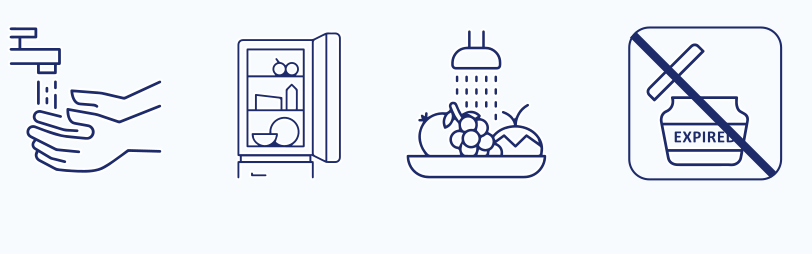
- Wash your hands before you handle and prepare food. Also wash them after touching foods such as meat or fish, before you touch other types of food.
- Rinse vegetables and fruit thoroughly before eating them.
- Use separate cutting boards for meats and vegetables.
- Store meat and fish in the freezer compartment of the refrigerator.
- Do not thaw food on the counter or under warm running water.
- Refrigerate food right after everyone has been served.
- Eat fully cooked foods. Avoid uncooked eggs, raw fish, oysters, and shellfish.
- Avoid consuming any food that is past its expiry date.
Diet and Nutrition After Chemotherapy?
- After cancer treatment is complete, a healthy diet that includes plenty of fruits, vegetables, and whole grains is recommended.
- Talk with your Doctor/Dietician about specific nutritional needs and physical activity recommendations during your post-treatment survivorship.
- Cancer survivors may face higher risks of conditions like heart disease and diabetes, so adopting a balanced lifestyle is recommended.
- This includes consuming plant-based foods, staying active, quitting smoking, monitoring weight changes, and moderating alcohol intake based on doctor’s recommendations.
| Myths | Facts |
|---|---|
| Chemotherapy always causes hair loss. | Not all drugs cause hair loss — it depends on the medicine. |
| You can’t live normally during chemotherapy. | Many patients continue daily activities with minor adjustments. |
| Chemotherapy means you are contagious. | False — chemotherapy is not infectious. |
| Natural remedies can replace chemotherapy. | No — always check with your doctor before using supplements. |
| You can’t exercise during chemotherapy. | Gentle, doctor-approved exercise is beneficial. |
- Fever ≥101°F, chills, sore throat
- Persistent vomiting or diarrhea
- Bleeding gums or nose
- Severe fatigue or shortness of breath
- Burning during urination
- New swelling, pain, or rash
.jpg)